
For collectors, families & longtime owners
Where to Sell Matchbox Cars
Sell Matchbox cars through eBay, collector groups, specialist die-cast dealers, auctions, or local collectible shops. Our Newfield, New Jersey museum also considers carefully selected vintage collections for purchase. Whether you inherited a box of cars or built a collection over decades, compare your options before deciding.
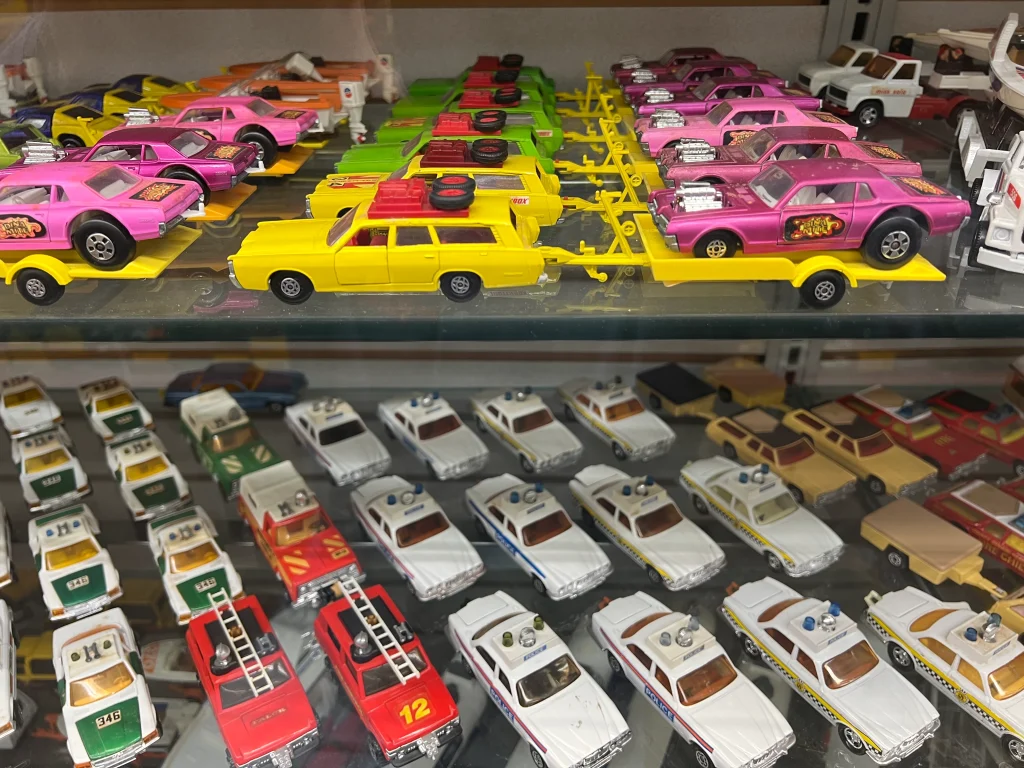
The short answer
Several good ways to find the right buyer.
Where to sell Matchbox cars: Try eBay for individual models, collector groups for direct sales, specialist die-cast dealers for a collection offer, auction houses for potentially significant pieces, or local collectible shops for convenience. Matchbox Road Museum in Newfield, New Jersey, also considers carefully selected vintage Matchbox collections for purchase.
The best place depends on what you own. A few identifiable, desirable cars may suit individual listings; a large mixed collection may call for a specialist conversation. Below, you can compare routes before deciding whether to list, consign, or ask a buyer to review your collection.
Your selling options
Where can you sell vintage Matchbox cars?
There is no single best marketplace for every model. Compare buyer reach, work involved, and how much control you want over the sale.
eBay
List individual cars or grouped lots, show the underside and box, and compare completed sales before setting an asking price. Check current seller fees and account requirements before listing.
Facebook groups & collector forums
Specialist groups may connect you with collectors who recognize a model or variation. Read group rules, share honest condition photos, and agree on payment and shipping terms before a sale.
Specialist die-cast dealers
Some Matchbox car buyers review collections and make direct offers. Ask which categories they want and whether they consider entire collections; a dealer offer can differ from individual retail prices.
Specialist toy auctions
Established toy auctioneers may suit rare, unusual, or well-documented collections. Ask about estimates, seller commissions, reserve policies, shipping, and the time between consignment and payment.
Local hobby & collectible shops
A nearby shop or collector event may offer an in-person starting point. Contact the business first: not every toy store buys used Matchbox cars, and shop offers may reflect resale costs.
Matchbox Road Museum
Our Newfield, New Jersey museum builds and preserves a collection of miniature automotive history. We purchase carefully selected collections that align with the museum’s archival goals.
Make an informed choice
Which selling route fits your collection?
When comparing selling options, think beyond the advertised price. Consider the time required, fees, shipping responsibilities, and whether a buyer understands vintage variations.
| Selling route | Main advantage | Trade-off to consider |
|---|---|---|
| Individual online listings | Control over prices and choice of buyer. | Research, listing work, fees, packing, and multiple shipments. |
| Collector-to-collector | Reach people interested in particular series or variations. | Negotiating, payment security, and verifying buyers. |
| Dealer or collection buyer | Potentially fewer separate transactions. | Offers reflect the buyer’s inventory needs, costs, and risk. |
| Specialist auction | Competitive bidding may suit notable items. | Fees, timing, reserves, and an uncertain final sale price. |
| Local shop | Convenience of dealing locally. | Availability and collecting interests vary by shop. |
| Museum acquisition inquiry | A chance to have a relevant collection considered for preservation. | The museum selects acquisitions; purchase is not guaranteed. |
This is general selling guidance, not a price quote. Fees, buyer policies, and suitability vary. Compare the net amount you may receive rather than only the headline sale price.
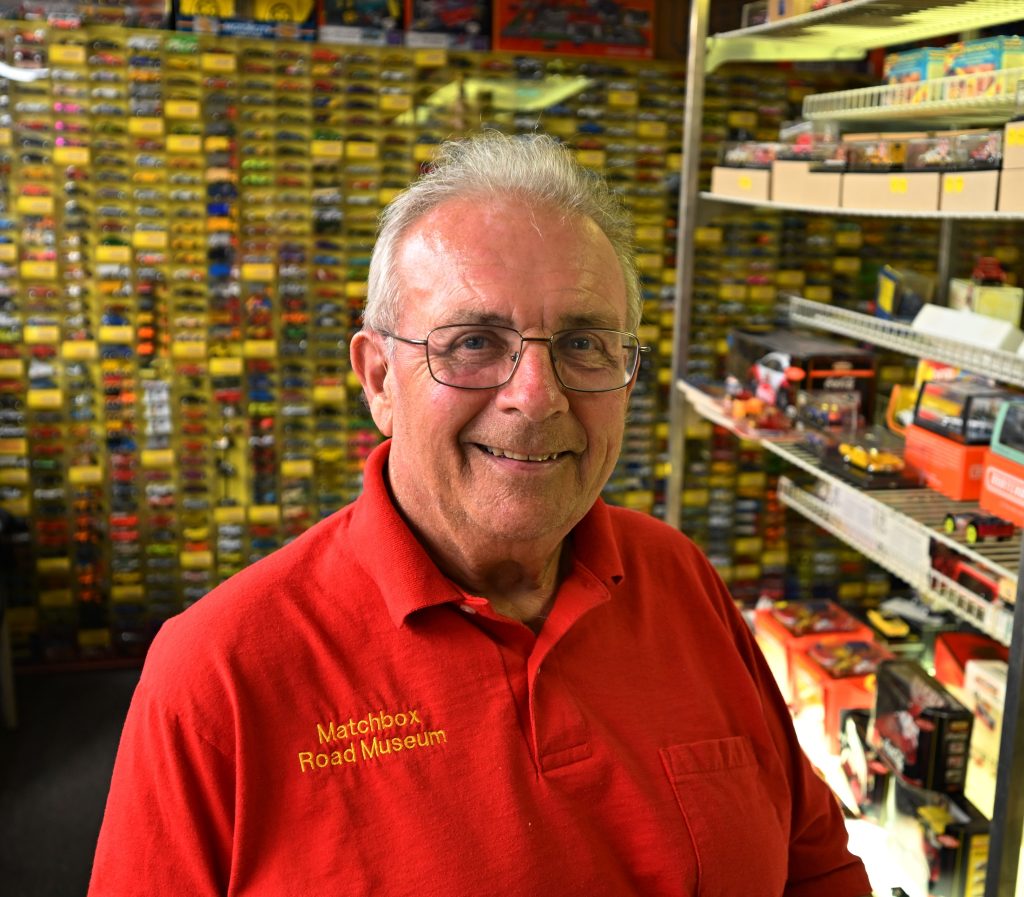
A collection with a purpose
Sell your Matchbox collection to a museum that cares about the story.
Matchbox Road Museum grew from a lifelong interest in the cars, castings, original packaging, and variations that tell the history of the brand. Our collection includes examples from different eras, along with unusual pieces that help visitors see how the toys evolved.
We are still adding to that archive. The museum accepts donations and purchases carefully selected collections when they suit its preservation goals. If you have older Matchbox cars and would like them considered, tell us what you own.
We cannot promise an offer on every car, an automatic appraisal, or a particular response time. A collection inquiry is simply the best first step.
Understand what you own
Types of Matchbox collections worth identifying
Before you offer a vintage Matchbox collection for sale, take note of its ranges and distinctive features. The categories below help describe a collection; they do not mean the museum is currently buying every item in them.
Lesney 1–75 & Regular Wheels
Look at castings, model numbers, base markings, wheels, paint, and original boxes. Small variations can help identify the specific release.
Matchbox Superfast
Different wheels, axles, and production changes can distinguish one version from another. Photograph the base and wheels as well as the body.
King Size, Superkings & Major Packs
Keep larger models, accessories, trailers, and matching packaging together so the complete contents can be understood.
Models of Yesteryear
Record the specific vehicle, edition, presentation box, and condition instead of assuming all examples of one model are alike.
Gift sets, Convoy & boxed cars
Original sets, inserts, paperwork, and packaging can be important to identifying a complete offering; avoid separating them before documenting.
Unusual variations & preproduction
A prototype or uncommon variation needs careful identification. Avoid calling a piece rare from color or age alone without supporting evidence.
Explore the actual Matchbox Road Museum collection for the museum’s broader historical collecting interests.
A straightforward first step
How to submit a Matchbox collection for consideration
Our existing collection inquiry asks for details about the items and how to reach you. You don’t need to decide what every car is worth before making contact.
Gather basic details
Estimate the number of cars, note ranges and approximate condition, and check whether original boxes or packaging are present. Keep clear photographs for reference.
Send your inquiry
Use the museum’s collection form to share contact information and answer its questions about quantity, series, condition, packaging, and unusual models.
Discuss what may fit
The museum can consider whether the collection matches its current interests. Any next steps, possible purchase, or contribution would need to be agreed separately.
Single cars or a whole collection?
Selling in bulk vs. listing cars individually
If you’re selling Matchbox cars in bulk, first decide whether your priority is convenience or the time to research each model. Individual listings may make sense for recognizable models with clear condition and strong comparable sales. But photographing, describing, negotiating, and shipping dozens or hundreds of cars is a major commitment.
A direct collection buyer may simplify the process, while an auction might suit a specialist group of identifiable items. Neither guarantees a better return. If you inherited a collection, consider identifying promising items before selling everything as one anonymous lot.
A useful compromise: separate cars with unusual markings, intact boxes, or significant documentation for closer research; keep the rest organized by range. Don’t discard boxes or mix models from different sets just to make quick lots.
Understand the likely market
What affects the value of old Matchbox cars?
Not every old Matchbox car is rare, and age alone does not determine its resale price. Buyers compare the exact model and version, current collector demand, and the condition of the car and its packaging.
Model, era & variation
Look for casting numbers, wheels, base markings, paint shades, and documented release differences.
Condition & completeness
Check paint wear, damage, missing parts, working features, and whether the item is complete.
Original packaging
Authentic boxes and inserts may matter to some collectors, especially when condition and matching are documented.
Actual buyer demand
Compare recent sold examples of the same version rather than asking prices for loosely similar cars.
A better way to check prices
Research sold prices, not just listings.
An asking price shows what a seller hopes to receive. A completed sale gives a more useful reference, provided the model, condition, box, and date are comparable.
- Identify the model name, number, and variation as accurately as you can.
- Look up comparable sold listings on eBay.
- Compare boxed with boxed and loose with loose.
- Allow for selling fees, packing, shipping, and the time involved.
eBay also offers Product Research to help sellers review historical sale data. These comparisons are research, not a formal appraisal.
Before selling your collection, explore our
Matchbox cars value guide to learn how model variations, condition, and verified sold prices can help you research your cars.
Before you make an offer or listing
A practical preparation checklist
A small amount of organizing can make a large collection easier to describe without risking damage.
- Count approximately. A rough total is fine; group the cars by broad series if practical.
- Take useful photos. Capture an overall collection view, the front and rear of selected cars, bases, wheels, and box ends.
- Describe condition honestly. Note chips, bent axles, missing parts, damaged packaging, and restoration you know about.
- Keep packaging with its model. Boxes, inserts, labels, and set components can help a buyer understand what is original.
- Avoid aggressive cleaning or repainting. Alterations can remove details collectors use to authenticate an item.
- Protect your transaction. Agree on payment, delivery, insurance, and handling before shipping; be careful with unfamiliar buyers and off-platform requests.
For fragile items and paper boxes, read our vintage Matchbox storage guide before repacking a collection.
Buying and selling near you
Where to sell Matchbox cars near me
If you want a local option, search for die-cast dealers, collectible toy shops, hobby shows, collector clubs, and estate-sale specialists near your city. Call ahead and ask specifically whether they buy used Matchbox cars or complete collections—retail stores do not all purchase secondhand toys.
For owners in New Jersey, South Jersey, and the Philadelphia area, Matchbox Road Museum is based in Newfield, New Jersey. You can use the museum’s collection inquiry to describe what you have. Contact the museum before bringing or shipping items; we do not advertise a walk-in purchasing policy or universal shipping arrangements.
Start with the collection—not just your ZIP code.
For an online sale, location mainly affects shipping and the pool of available buyers. For direct buying or museum consideration, the more useful starting details are the cars you own, their quantity, condition, packaging, and your location.
International selling may add customs, currency, shipping, or import requirements. Check each buyer’s policy before sending items.
Common seller questions
Questions about selling a Matchbox collection
Straight answers to the questions collectors and families often ask before choosing a selling route.
What is the best way to sell Matchbox cars?
It depends on your goals. eBay can work for individual models if you’re prepared to research, list, and ship them. Specialist buyers can be more convenient for a larger group, while a toy auction may suit notable examples. Compare time, costs, and net proceeds.
Are old Matchbox cars worth anything?
Some are collectible, but values vary substantially. An item’s model, variation, paint, condition, originality, packaging, and current demand matter much more than age alone. Use comparable sold examples to research realistic expectations.
Where can I sell my Matchbox collection?
You can approach specialist die-cast dealers, collectors, auction houses, or local collectible shops, or sell lots online. Matchbox Road Museum also considers selected vintage collections for possible purchase when they fit its collecting mission.
Who buys vintage Matchbox cars?
Potential buyers include individual collectors, specialist toy and die-cast dealers, some auction bidders, and some museums. Always check a buyer’s current interests. A business that buys vintage toys does not necessarily buy Matchbox cars.
How can I sell a large Matchbox collection in bulk?
Start with a count, broad category list, condition summary, and photographs. Ask relevant collection buyers whether they consider a complete group. Compare their terms with the time and fees of selling individual cars, and research potentially distinctive items before disposing of the whole lot.
Can I sell Matchbox cars without their original boxes?
Yes, loose cars are bought and sold, although packaging can affect desirability and value for particular releases. Describe wear honestly. Whether a specific buyer or the museum is interested in a loose collection depends on the individual items.
Does Matchbox Road Museum buy Matchbox cars?
The museum states that it purchases carefully selected collections which align with its preservation goals. A submitted inquiry does not guarantee acceptance, an appraisal, or a purchase offer.
Should I clean or restore my cars before selling?
Avoid repainting or aggressive cleaning just to prepare a sale. Original finish, details, and packaging can matter to collectors. Document condition with clear photos, store the cars safely, and ask for advice before making irreversible changes.
Where to sell Matchbox cars online in the USA?
eBay and collector communities are common starting points for online selling in the United States. Before listing, check each platform’s current rules and fees, and calculate shipping and safe payment costs. Specialist collection buyers may also accept an initial online inquiry.
From the collector’s library
Research your cars before you sell.
These original Matchbox Road Museum guides can help you describe a collection and avoid overlooking useful identification details.
Looking to buy rather than sell? Visit our
vintage Matchbox cars for sale page for collector buying tips and access to our current eBay listings.
How to Identify Rare Matchbox Cars
Understand the clues in model numbers, base marks, wheels, colors, and variations.
Vintage Matchbox Box Types
Learn how boxes changed and why original packaging deserves careful handling.
Regular Wheels vs. Superfast
See how wheel differences can help distinguish production periods and versions.
How to Store Vintage Matchbox Cars
Protect castings, finishes, and boxes while arranging an inventory or sale.
Explore the Matchbox Road Museum
See the ranges and historical examples that shape the museum’s collecting interests.
Interested in Donating Instead?
Learn about ways to support the preservation of Matchbox history separately from a sale.
Ready for the next step?
Tell us about the Matchbox cars you own.
Still deciding where to sell Matchbox cars? If you believe your collection might suit the museum, send the details for consideration. The inquiry is a request for review, not an agreement to buy or an assurance of value.
- Approximate number of cars and their main ranges
- Loose, boxed, or a mixture; general condition
- Any unusual models you can identify
- Your location and contact details
Please don’t bring, mail, or ship a collection without arranging the next step with the museum first.
Share your collection for consideration.
Open the museum’s existing form to provide your contact details, approximate quantity, condition, packaging information, and collection types. There is no need to guess an exact market value first.
Open Collection Inquiry Form
Submitting the form does not guarantee a purchase offer. If the form does not open, the link leads to the museum’s collection acquisition information.